Simple Money Management Tips for Beginners
Managing money can feel confusing when you are just getting started. You may have income coming in, bills going out, daily expenses to handle, and future goals that seem difficult to reach.
You do not need to understand every financial product or use a complicated spreadsheet. Good money management starts with a few simple habits: knowing what you earn, tracking what you spend, saving regularly, and making thoughtful choices before you buy.
Key Takeaways
Know your monthly take-home income.
Create a simple budget before spending your money.
Track daily expenses so you know where your money goes.
Separate needs from wants.
Save a small amount regularly, even when your income is limited.
Build an emergency fund for unexpected expenses.
Pay bills on time to avoid penalties and extra interest.
Be careful with credit cards and loans.
Set clear short-term and long-term financial goals.
Review your money plan every month and adjust it when needed.
What Is Money Management?
Money management means planning how you earn, spend, save, and use your money.
It includes everyday decisions such as:
How much to spend on groceries
When to pay bills
How much to save
Whether you can afford a purchase
How to handle debt
How to prepare for emergencies
How to plan for future goals
Good money management does not mean avoiding every enjoyable purchase. It means making sure your spending supports your needs and priorities.
Why Should Beginners Learn Money Management?
Without a basic plan, it is easy to spend your income quickly and struggle before the next payday.
You may also use credit for regular expenses, delay important bills, or miss opportunities to save. These problems can create stress even when your income is enough to cover your needs.
Simple money management can help you:
Avoid running out of money
Reduce unnecessary spending
Save for emergencies
Pay debt more quickly
Prepare for future expenses
Make better buying decisions
Feel more in control of your finances
You do not need to become perfect with money. You only need a system that helps you make better decisions more often.
1. Know Your Take-Home Income
Start by finding out how much money you actually receive each month.
Use your income after taxes, deductions, insurance, retirement contributions, or other automatic payments. This is the money available for your budget.
Your income may come from:
Salary
Freelance work
Business income
Part-time work
Rental income
Pension
Interest
Family contributions
If your income changes every month, use a conservative estimate. Base your essential budget on the lowest amount you reasonably expect to receive.
Do not build your monthly plan around a particularly high-income month.
2. Track Your Expenses
Before making spending rules, find out where your money currently goes.
Track every expense for at least 30 days, including:
Rent
Groceries
Transport
Bills
Snacks
Food delivery
Shopping
Mobile payments
Entertainment
Medical expenses
Small cash purchases
You can use a notebook, phone note, spreadsheet, or budgeting app. Choose the simplest method you can maintain.
Do not feel embarrassed by your spending. The purpose of tracking is to understand your habits, not to criticize yourself.
3. Create a Simple Monthly Budget
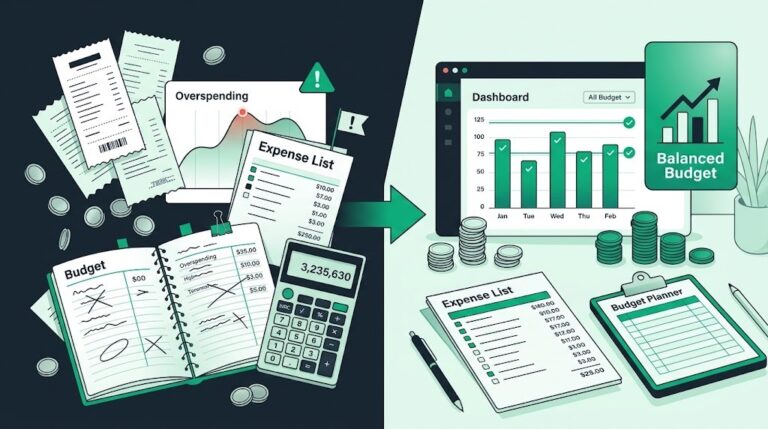
A budget is a plan for using your income before you spend it.
Start with these categories:
Essential bills
Food
Transport
Debt payments
Savings
Personal spending
Irregular expenses
For example, if your monthly income is ₹50,000, your plan may look like this:
Essential expenses: ₹30,000
Savings: ₹5,000
Debt repayment: ₹5,000
Personal spending: ₹5,000
Irregular expenses: ₹5,000
Your numbers will be different. The important part is assigning money to each category before the month begins.
4. Separate Needs From Wants
Needs are expenses required for basic living, health, safety, work, or important responsibilities.
Examples include:
Housing
Basic food
Utilities
Essential transport
Healthcare
Medicines
Minimum debt payments
Wants improve comfort or enjoyment but can usually be delayed.
Examples include:
Restaurant meals
New clothes when you already have enough
Premium subscriptions
Entertainment
Gadgets
Unplanned shopping
Expensive hobbies
You do not need to remove all wants. Set a limit for them after covering your needs, savings, and important financial responsibilities.
5. Pay Yourself First
Many people spend their income and save whatever remains. Often, nothing remains.
Paying yourself first means transferring money to savings as soon as your income arrives.
You could begin with:
₹500 per month
₹1,000 per month
5% of your income
A fixed amount on payday
Automate the transfer if possible. Start with an amount that fits your budget so you do not need to withdraw it later.
6. Build an Emergency Fund
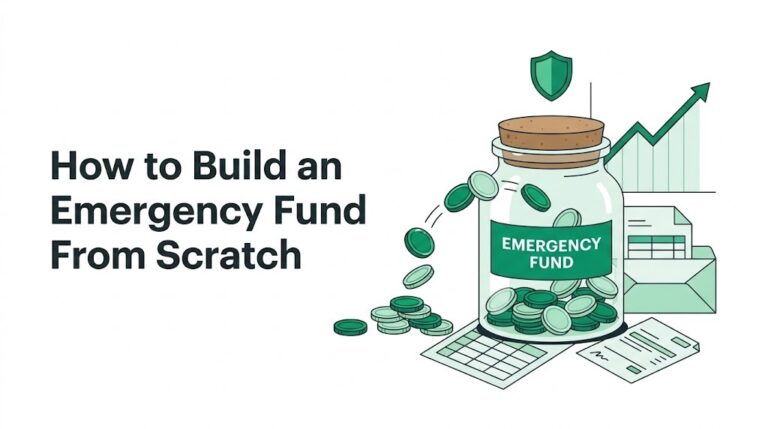
An emergency fund is money set aside for unexpected expenses or a temporary loss of income.
You can use it for:
Urgent medical costs
Necessary home repairs
Vehicle repairs
Job loss
Emergency travel
Important family needs
Start with a small target, such as ₹5,000 or ₹10,000. Then work toward one month of essential expenses.
Over time, many people aim for three to six months of essential costs. Your target depends on your income stability, family responsibilities, health, debt, and access to other support.
Keep this money separate from your everyday spending account.
7. Pay Bills on Time
Late payments can lead to penalties, service interruptions, damaged credit history, or additional interest.
Create a list of your regular bills and note:
Amount due
Due date
Payment method
Account details
Automatic payment status
Use reminders on your phone or calendar. If you use automatic payments, make sure enough money is available before the due date.
Paying bills on time is one of the simplest ways to avoid wasting money.
8. Be Careful With Credit Cards
A credit card is a payment tool, not extra income.
Before using one, ask whether you already have the money to pay for the purchase. If you do not, the purchase may create interest and future pressure.
Helpful credit card habits include:
Pay on time
Pay the full balance when possible
Keep spending within your budget
Avoid cash advances
Do not use one card to pay another
Review every transaction
Keep your card information secure
If you carry a balance, create a repayment plan and avoid adding unnecessary purchases.
9. Understand Loans Before Borrowing
Before accepting a loan, understand:
Total amount borrowed
Interest rate
Monthly payment
Processing fees
Late fees
Repayment period
Total amount paid over time
A small monthly payment may look affordable, but a longer repayment period can make the total cost much higher.
Borrow only for a clear reason and make sure the payment fits comfortably into your budget.
10. Create a Weekly Spending Limit
A monthly budget can feel too general. A weekly limit can make daily decisions easier.
If you have ₹12,000 for groceries, transport, and personal spending, you could use a weekly guide of around ₹3,000.
You do not need to spend the exact amount every week. You may spend more one week and less the next.
The weekly limit helps you notice overspending before the month ends.
11. Reduce Small, Repeated Expenses
Small purchases can quietly become a large monthly total.
Common examples include:
Coffee
Snacks
Food delivery fees
Mobile games
Small online orders
Convenience charges
Frequent taxi rides
Track these expenses for one month and add them together. Then choose one category to reduce.
You do not need to remove every small pleasure. Reducing a few purchases can create useful savings without making life uncomfortable.
12. Plan Your Grocery Shopping
Food is a regular need, but grocery spending can often be managed more carefully.
Try these habits:
Plan meals before shopping.
Make a grocery list.
Check what you already have.
Compare prices.
Buy seasonal items.
Avoid shopping while hungry.
Use leftovers.
Store food correctly.
Freeze items before they spoil.
Food wasted at home is money wasted. A simple weekly meal plan can help reduce both waste and last-minute delivery orders.
13. Cook More Meals at Home
Cooking at home does not require preparing complicated meals every day.
Start by replacing two or three restaurant or delivery meals each week. Keep simple ingredients available for busy days.
Useful quick meals may include:
Eggs and toast
Rice and vegetables
Pasta
Sandwiches
Soup
Lentils
Stir-fried vegetables
Homemade wraps
You can still eat out. Include restaurant meals in your wants budget instead of treating them as an automatic expense.
14. Review Your Subscriptions
Automatic payments are easy to forget.
List all your subscriptions, including:
Streaming services
Music apps
Fitness memberships
Cloud storage
Learning platforms
Gaming services
News websites
App memberships
Ask whether you used each service during the last month. Cancel anything that no longer provides enough value.
You can also rotate subscriptions. Use one entertainment service for a month, pause it, and switch to another instead of paying for everything at the same time.
15. Wait Before Making Non-Essential Purchases
Impulse buying can damage a budget quickly.
Use a waiting rule:
Wait 24 hours for small purchases.
Wait three days for medium purchases.
Wait seven days for expensive purchases.
Wait 30 days for major lifestyle purchases.
During the waiting period, ask whether you need the item, already own something similar, or can buy it later without using debt.
If you still want it and it fits your budget, you can make the purchase with more confidence.
16. Compare Prices Before Buying
Do not assume the first price is the best one.
Compare:
Different stores
Online and local sellers
Product sizes
Delivery fees
Warranty terms
Return policies
Quality and durability
A cheaper item is not always better if it breaks quickly or cannot be returned.
Compare the total cost and value, not just the discount label.
17. Avoid Buying Only Because Something Is on Sale
A discount saves money only when you already planned to buy the item.
If you spend ₹2,000 on something you did not need, you have not saved ₹1,000 because it was marked down. You have spent ₹2,000.
Before buying a sale item, ask:
Would I buy this at the regular price?
Do I need it now?
Do I already have a similar item?
Is the discount real?
Can I use the item fully?
18. Use Separate Accounts for Different Purposes
Keeping every rupee in one account can make spending difficult to control.
If possible, separate your money into:
Bills
Daily spending
Emergency savings
Long-term goals
You do not need many bank accounts. Digital savings spaces, envelopes, or a spreadsheet can also help.
The purpose is to know which money is available and which money is already reserved.
19. Set Clear Financial Goals
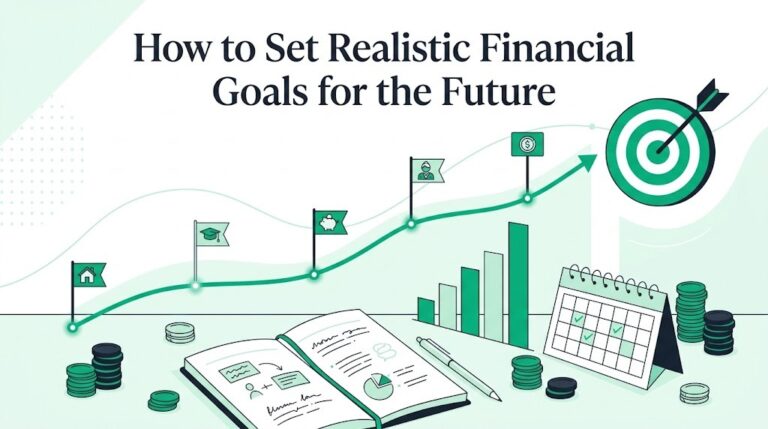
A financial goal gives your saving a purpose.
Examples include:
Build an emergency fund
Pay off credit card debt
Save for education
Buy a vehicle
Start a business
Pay for a family event
Prepare for retirement
Save for a home
Make the goal specific.
Instead of saying, “I want to save more,” write, “I want to save ₹60,000 in 12 months.”
That requires a monthly saving target of ₹5,000.
20. Prepare for Irregular Expenses
Some costs do not appear every month but are still predictable.
Examples include:
Annual insurance
Vehicle maintenance
School fees
Festival shopping
Medical checkups
Gifts
Repairs
Travel
Estimate the yearly amount and divide it by 12.
If you expect to spend ₹24,000 on vehicle maintenance and insurance during the year, set aside ₹2,000 per month.
This is sometimes called a sinking fund. It helps prevent predictable expenses from becoming financial emergencies.
21. Use Windfalls Carefully
Extra money can disappear quickly if you do not decide what to do with it.
When you receive a bonus, refund, gift, or extra income, divide it before spending.
For example:
50% for savings
30% for debt repayment
20% for personal use
You can change the percentages based on your priorities. The important point is making a plan before the extra money enters everyday spending.
22. Save Automatically for Long-Term Goals
Long-term goals are easy to ignore because they feel far away.
Set up automatic contributions for goals such as:
Retirement
Education
Home purchase
Business plans
Future family expenses
Even a small contribution can build a useful habit. Increase it when your income rises or when you pay off a debt.
23. Keep an Emergency Fund Separate From Investments
Long-term investments may grow over time, but their value can change. You may also need time to sell them.
Emergency savings should be safe and easy to access. Keep enough money in a suitable savings account or another low-risk option for urgent needs.
Do not invest money that you may need for rent, medicine, food, or emergency repairs.
24. Review Your Bank Statements
Check your bank and card statements every month.
Look for:
Charges you do not recognize
Duplicate payments
Forgotten subscriptions
Incorrect fees
Automatic renewals
Unusual transactions
Reviewing statements can help you find errors and stop unwanted charges.
Report suspicious activity to your bank or payment provider quickly.
25. Protect Your Financial Information
Good money management also includes financial safety.
Use strong passwords and avoid sharing:
One-time passwords
Personal identification numbers
Card security codes
Banking passwords
Account recovery information
Be careful with links, messages, calls, and offers that ask for urgent payment details.
If an offer seems too good to be true or creates pressure to act immediately, stop and verify it through the official organization.
26. Avoid Lifestyle Inflation
When your income increases, you may want to upgrade everything immediately.
A better approach is to divide the increase:
Part for savings
Part for debt repayment
Part for essential improvements
Part for enjoyment
This lets you enjoy a better lifestyle while continuing to improve your finances.
27. Learn Basic Financial Terms
You do not need to become an expert, but understanding common terms can help you make better choices.
Learn the meaning of:
Interest rate
Principal
Minimum payment
Annual fee
Inflation
Emergency fund
Insurance premium
Deductible
Compound growth
Credit history
Read agreements before signing them. Ask questions if any cost or condition is unclear.
28. Build One Good Habit at a Time
Trying to change every financial habit at once can feel overwhelming.
Start with one habit, such as:
Tracking daily expenses
Saving on payday
Cooking at home twice a week
Paying bills early
Reviewing subscriptions
Using a shopping waiting period
Continue until it becomes normal. Then add another habit.
Small changes are easier to maintain than a strict plan that makes you feel exhausted.
29. Have a Weekly Money Check-In
Set aside 10 to 15 minutes once a week to review your money.
Ask:
How much did I spend?
Which bills are due soon?
Did I overspend in any category?
Did I save the planned amount?
Is there an upcoming irregular expense?
What should I change next week?
A short weekly check-in can prevent small problems from growing.
30. Review Your Budget Every Month
At the end of the month, compare your planned spending with your actual spending.
If groceries cost more than expected, adjust the next month’s amount. If you spent less on transport, you may be able to direct the difference toward savings.
A budget should change when your life changes. Updating it is a sign of good planning, not poor discipline.
A Simple Beginner’s Money Management Plan
If you do not know where to begin, follow this basic plan.
Step One: Calculate Your Income
Write down the amount you receive after deductions.
Step Two: List Your Essential Costs
Include housing, food, utilities, transport, healthcare, insurance, and minimum debt payments.
Step Three: Track Spending for 30 Days
Record every purchase, including cash.
Step Four: Create a Small Emergency Fund
Choose a first target such as ₹5,000 or ₹10,000.
Step Five: Automate a Monthly Saving
Transfer an amount that fits your budget.
Step Six: Reduce One Spending Leak
Choose food delivery, unused subscriptions, shopping, or another category.
Step Seven: Set One Financial Goal
Choose a goal with a clear amount and deadline.
Step Eight: Review Your Progress
Check your plan every week and update it every month.
Example Monthly Budget for a Beginner
Imagine your monthly income is ₹45,000.
Your budget could look like this:
Rent: ₹14,000
Groceries: ₹7,000
Utilities: ₹3,000
Transport: ₹3,000
Phone and internet: ₹1,500
Healthcare: ₹1,500
Minimum debt payment: ₹3,000
Emergency savings: ₹3,000
Future goal: ₹2,000
Personal spending: ₹4,000
Irregular expenses: ₹3,000
Total planned amount: ₹45,000
This example gives every part of the income a purpose. Your amounts may be different, but the structure can help you create your own plan.
What to Do When You Make a Money Mistake
Everyone makes financial mistakes. You may overspend, miss a payment, forget an annual bill, or buy something you later regret.
Instead of ignoring the problem, ask:
What happened?
Why did it happen?
Was the expense planned?
Can I correct it this month?
What system would prevent it next time?
You might need a reminder, a separate account, a smaller spending limit, or a waiting period before purchases.
A mistake can become a useful lesson if you use it to improve your system.
How to Stay Motivated With Money
Money management can feel slow, especially when your goals are large. Make your progress visible.
You can:
Use a savings tracker
Set monthly milestones
Name your savings accounts
Celebrate debt reductions
Write down your financial goals
Review your progress with someone you trust
Keep a record of unnecessary expenses you avoided
You do not need to celebrate by spending a large amount. A home-cooked meal, free outing, or simple personal reward can mark your progress without damaging your plan.
Frequently Asked Questions
What is the easiest money management tip for beginners?
Start by tracking every expense for 30 days. This gives you a clear picture of where your money goes and helps you make better decisions.
After tracking, create a simple budget and choose one spending category to improve.
How much money should I save each month?
Save an amount that fits your income and expenses. You can start with ₹500, ₹1,000, or 5% of your take-home income.
Increase the amount when your income grows or when you pay off a debt.
Should I create a budget if my income is small?
Yes. A budget can be even more useful when income is limited because it helps you protect essential expenses and avoid unnecessary debt.
Start with basic categories and focus on your most important needs.
What should I do first: save money or pay debt?
Continue making all minimum debt payments and build a small emergency buffer. Then focus extra money on high-interest debt while continuing regular savings if possible.
The right balance depends on the interest rate, type of debt, income stability, and personal situation.
How can I stop spending money on unnecessary items?
Use a waiting period, remove shopping notifications, delete shopping apps, and create a monthly wants limit.
Tracking your spending can also reveal the emotions or situations that lead to impulse purchases.
Is using a credit card bad?
A credit card is not automatically bad, but it can become expensive when you spend more than you can repay. Pay on time, keep purchases within your budget, and avoid carrying costly balances.
Treat the card as a payment method, not as additional income.
How much should I keep in an emergency fund?
Start with ₹5,000 or ₹10,000, then work toward one month of essential expenses. Over time, you may aim for three to six months of essential costs.
Your target depends on your income, responsibilities, debt, and job stability.
How often should I review my budget?
Check your spending once a week and review your full budget once a month. Update it whenever your income, rent, family responsibilities, or major expenses change.
Should I invest before creating an emergency fund?
Build a basic emergency fund before taking significant investment risk. You need accessible money for unexpected costs so you do not have to sell investments at the wrong time.
Once your emergency savings are stable, you can explore long-term options that match your goals.
What if I cannot follow my budget?
Your budget may be too strict or may not reflect your actual expenses. Review the categories, adjust the amounts, and focus on one or two changes instead of trying to control everything at once.
A useful budget should fit your life and improve over time.