50 Easy Ways to Save Money Every Month
Saving money does not always require a major lifestyle change. Small decisions, repeated every week, can help you keep more of your income without making life feel difficult.
The goal is not to stop spending completely. The goal is to spend with more intention, cut costs that do not add real value, and use the money you save for important goals.
Key Takeaways
Track your spending before trying to reduce it.
Start with small changes you can repeat every month.
Review subscriptions, bills, food costs, and shopping habits.
Plan your purchases instead of buying on impulse.
Use automatic transfers to make saving easier.
Compare prices before making larger purchases.
Reduce waste at home, especially food and unused services.
Create separate savings goals for emergencies and future plans.
Avoid replacing one unnecessary expense with another.
Use the money you save to build long-term financial stability.
1. Track Every Expense for 30 Days
Write down every purchase for one month, including small cash payments. This will show you where your money is going and help you find expenses that are easy to reduce.
You can use a notebook, phone note, spreadsheet, or budgeting app. The method does not matter as long as you record your spending honestly.
2. Create a Simple Monthly Budget
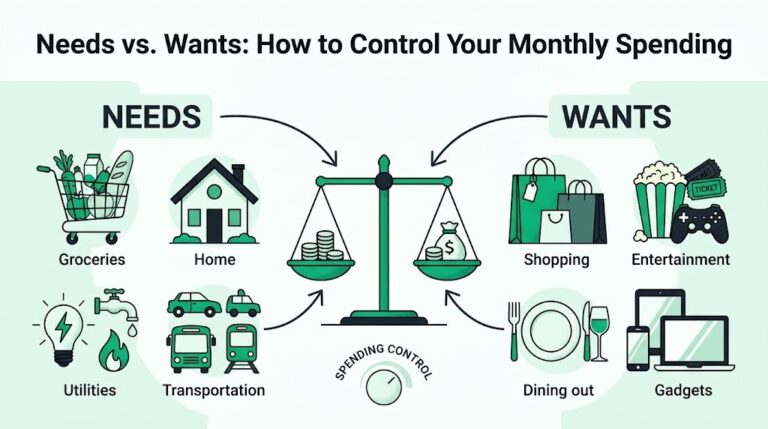
List your income, essential bills, debt payments, savings, and flexible spending. A clear budget helps you decide where your money should go before the month begins.
You do not need complicated categories. Start with housing, food, transport, bills, savings, debt, and personal spending.
3. Set a Weekly Spending Limit
Monthly spending limits can feel too broad. Divide your flexible spending into weekly amounts so you can notice problems before the month is over.
For example, if you have ₹8,000 for groceries, eating out, and entertainment, you could plan around ₹2,000 per week.
4. Cancel Unused Subscriptions
Review your streaming services, apps, memberships, cloud storage, and other recurring payments. Cancel anything you rarely use.
If you are unsure about a subscription, pause it for one month. If you do not miss it, you may not need to restart it.
5. Share Streaming Services Legally
Some streaming companies offer family or household plans. If the terms allow it, sharing a plan with family members can reduce the monthly cost for everyone.
Do not share passwords in a way that violates the provider’s rules. Check the plan conditions before making changes.
6. Cook More Meals at Home
Home-cooked meals are often less expensive than restaurant meals or food delivery. Start with two or three extra home-cooked meals each week instead of trying to change everything at once.
Choose simple recipes that use ingredients you already enjoy. A budget meal does not need to be boring or difficult.
7. Plan Your Meals Before Shopping
Create a basic meal plan for the next five to seven days. This helps you buy only what you need and reduces last-minute food orders.
Check your kitchen before writing the shopping list. You may already have rice, flour, spices, vegetables, or frozen food that can be used first.
8. Shop With a Grocery List
A grocery list helps you avoid unnecessary purchases. Try to follow the list and avoid shopping while hungry or in a hurry.
If you see an unplanned item, ask whether you need it for this week. If not, leave it for your next planned shopping trip.
9. Compare Grocery Prices
Check prices at different stores, online shops, and local markets. The cheapest option may vary depending on the product and the week.
Compare the final price, not just the discount percentage. A large package is not always cheaper if you will not use everything before it expires.
10. Reduce Food Waste
Food thrown away is money thrown away. Store food properly, freeze items before they spoil, and plan meals around ingredients that need to be used soon.
You can also create a “use first” section in your refrigerator. Place food that may expire soon at the front.
11. Drink More Water
Buying bottled drinks, soda, coffee, and packaged juices regularly can create a large monthly expense. Carry a reusable bottle and fill it at home.
You do not need to remove every drink you enjoy. Reducing a few purchases each week can still create noticeable savings.
12. Make Coffee at Home
If you buy coffee several times a week, make some of it at home instead. Keep instant coffee, tea, or simple brewing supplies available for busy mornings.
You can still enjoy café coffee occasionally. The aim is to make it a planned treat instead of an automatic daily expense.
13. Reduce Food Delivery Orders
Food delivery often costs more because of delivery fees, service charges, taxes, and impulse add-ons. Choose one or two delivery days and cook or prepare food on the other days.
Before placing an order, check whether you have something quick at home. A sandwich, eggs, leftovers, or noodles may be enough.
14. Use Leftovers for Lunch
Pack leftovers for lunch instead of buying a separate meal. This can save money and make use of food that might otherwise be wasted.
Keep containers ready so packing lunch does not feel like extra work in the morning.
15. Shop With a Full Stomach
Shopping while hungry can make you buy more snacks, ready-made meals, and unnecessary items. Eat something before going to the supermarket or ordering groceries.
This small habit can make your list easier to follow.
16. Wait 24 Hours Before Non-Essential Purchases
When you want something that is not urgent, wait one full day before buying it. The pause gives you time to decide whether you really want or need the item.
For expensive purchases, extend the waiting period to seven days. Many impulse purchases lose their appeal after a little time.
17. Use a Shopping Wishlist
Instead of buying immediately, add non-essential items to a wishlist. Review the list at the end of the month and choose only the items that still matter.
This works especially well for clothes, electronics, home décor, and online shopping.
18. Unsubscribe From Promotional Emails
Marketing emails can encourage you to shop when you were not planning to buy anything. Unsubscribe from stores that send frequent promotions.
You can also turn off shopping notifications on your phone. Fewer alerts mean fewer reminders to spend.
19. Delete Shopping Apps
If you often make impulse purchases through shopping apps, remove them from your phone. You can still visit the website when you need something.
Adding a little effort between you and the purchase can prevent many unnecessary orders.
20. Use Cashback Carefully
Cashback can be useful when you were already planning to make a purchase. It is not a saving if you buy something only because a cashback offer is available.
Check the full price, delivery charge, minimum order, and expiry date before using an offer.
21. Buy Generic or Store Brands
Generic products are often cheaper than well-known brands and may work just as well. Try store-brand versions of cleaning products, pantry items, toiletries, and basic medicines where appropriate.
Compare the ingredients, size, quality, and customer reviews instead of judging only by the label.
22. Buy in Bulk Only When It Makes Sense
Bulk buying can reduce the cost per item, but only if you will use the product. Avoid buying a large quantity of food that may spoil or items you rarely need.
Bulk purchases work best for household products, grains, cleaning supplies, and other items with a long shelf life.
23. Repair Before Replacing
Before buying a replacement, check whether the item can be repaired. A small repair may cost much less than purchasing a new product.
This applies to clothing, shoes, furniture, appliances, bags, and electronics.
24. Take Care of Your Clothes
Wash clothes according to their care instructions, avoid unnecessary dry cleaning, and repair small tears quickly. Proper care can help clothing last longer.
You may also save by creating a smaller wardrobe with items that can be used in several combinations.
25. Buy Second-Hand Items
Consider used items for furniture, books, appliances, children’s products, vehicles, and some electronics. Check the condition carefully before purchasing.
Buying second-hand can provide good value, especially for items that lose value quickly after purchase.
26. Sell Items You No Longer Use
Look around your home for clothes, gadgets, furniture, books, and equipment you no longer need. Selling these items can create extra money and reduce clutter.
Put the money toward savings, debt repayment, or a planned expense instead of spending it immediately.
27. Borrow Instead of Buying
Borrow books, tools, equipment, and special-occasion clothing when you only need them temporarily. Ask friends, family, neighbors, libraries, or local community groups.
There is no need to own every item you use only once or twice a year.
28. Use Public Transport More Often
If public transport is safe and practical, use it for some trips instead of driving or taking a taxi. Even replacing a few car journeys each week can reduce fuel and travel costs.
Plan your route in advance so the switch feels convenient rather than stressful.
29. Combine Errands
Group several errands into one trip. This can save fuel, transport fees, and time.
For example, collect a parcel, buy groceries, visit the pharmacy, and complete a bank task in the same area and on the same day.
30. Keep Your Vehicle Properly Maintained
Regular maintenance can help prevent expensive repairs and improve fuel efficiency. Check tire pressure, oil levels, filters, and service schedules.
Ignoring a small problem may lead to a larger bill later.
31. Compare Insurance Costs
Review your insurance policies before renewal. Compare coverage, deductibles, exclusions, and prices instead of choosing the first renewal offer.
Do not reduce important coverage only to save money. Make sure the policy still protects you against major risks.
32. Reduce Electricity Usage
Turn off lights, fans, appliances, and chargers when they are not needed. Use energy-efficient bulbs and avoid running half-full washing machines or dishwashers.
Small changes may lower your monthly bill, especially during high-use seasons.
33. Adjust Your Air Conditioner or Heater
Heating and cooling can use a large amount of energy. Set the temperature sensibly, close doors and windows, and clean filters regularly.
Using curtains, fans, ventilation, or warm clothing can sometimes reduce the need for heavy heating or cooling.
34. Check Your Mobile and Internet Plan
Review your data usage and call habits. You may be paying for a plan with more data or services than you need.
Compare available plans before renewal, but make sure the cheaper plan still meets your basic needs.
35. Avoid Late Fees
Late fees are avoidable expenses. Set reminders or automatic payments for rent, utilities, loans, credit cards, and other regular bills.
Keep enough money in the payment account before the due date so automatic payments do not fail.
36. Pay Credit Card Bills on Time
Paying the full balance on time can help you avoid interest and late charges. If you cannot pay the full balance, create a plan to reduce the debt instead of adding new purchases.
Do not treat your available credit limit as extra income.
37. Negotiate Regular Bills
Contact service providers and ask whether they have a lower plan, promotional rate, or customer discount. This may work for internet, phone, insurance, and some memberships.
Be polite and compare alternatives before making a change.
38. Create a No-Spend Day
Choose one day each week when you do not buy anything except genuine essentials. Use what you already have at home.
A no-spend day can help you notice how often you make automatic purchases.
39. Try a No-Spend Weekend
If a single day is easy, try one weekend each month without shopping, restaurant meals, paid entertainment, or unnecessary travel.
Plan free activities such as walking, visiting family, cooking, reading, organizing your home, or watching something you already have access to.
40. Limit Convenience Fees
Convenience can be useful, but repeated delivery fees, express charges, booking fees, and small service costs can add up.
Before paying a fee, ask whether you can plan ahead, collect the item yourself, or use a free option.
41. Use Free Entertainment
Look for free events, public parks, local libraries, community activities, walking routes, free online classes, and open cultural programs.
You can have an enjoyable week without paying for every activity.
42. Set a Personal Spending Allowance
Give yourself a fixed amount for personal spending each month. This makes your budget easier to follow because you do not need to debate every small purchase.
When the allowance is used, wait until the next month instead of taking money from bills or savings.
43. Create Separate Savings Goals
Instead of keeping all savings in one unclear amount, name each goal. You could have funds for emergencies, travel, education, repairs, gifts, or a future purchase.
Clear labels make it easier to stay motivated and avoid using the money for unrelated spending.
44. Automate Your Savings
Set up an automatic transfer on payday. Saving first is often easier than waiting to see what remains at the end of the month.
Start with an amount that does not make your budget difficult. You can increase it later.
45. Save Extra Income
When you receive a bonus, refund, gift, or unexpected payment, avoid spending all of it immediately.
You could divide it into three parts: savings, debt repayment, and enjoyment. This lets you benefit from the money while also improving your financial position.
46. Use the 1% Improvement Rule
Choose one spending area and reduce it by 1% or a small fixed amount. For example, you could reduce eating out by one meal per month or lower your shopping limit slightly.
Small improvements are easier to maintain than extreme cuts.
47. Review Your Budget Every Month
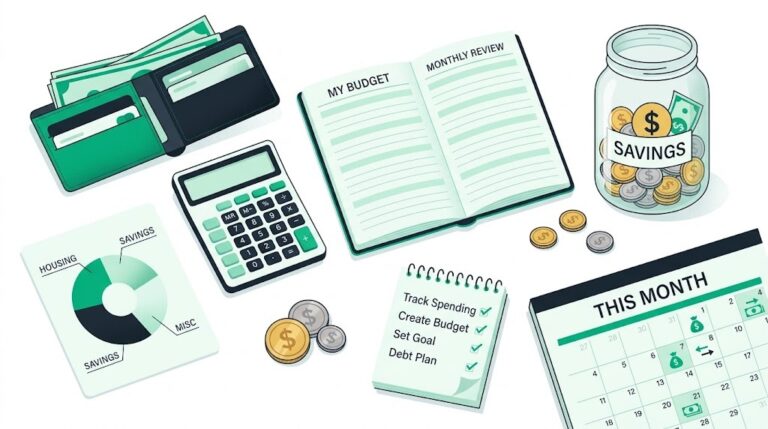
At the end of each month, compare your planned spending with your actual spending. Look for categories where you spent too much or underestimated your needs.
Use this information to create a more realistic budget for the next month.
48. Avoid Lifestyle Inflation
When your income increases, it is tempting to increase every expense. Instead, direct part of the extra money toward savings, debt repayment, or future goals.
You can improve your lifestyle while still keeping some of the increase for your financial plans.
49. Make Saving Visible
Keep your savings goal where you can see it. Use a progress chart, phone wallpaper, spreadsheet, or simple note.
Seeing progress can make it easier to skip an unnecessary purchase because you can connect that decision to something you actually want.
50. Give Every Rupee a Job
At the beginning of each month, decide where your income will go. Assign money to bills, food, transport, savings, debt, future expenses, and enjoyment.
When every rupee has a purpose, you are less likely to spend without thinking.
How to Start Saving Money This Month
You do not need to use all 50 ideas at once. Start with three changes that are easy to repeat.
A simple starting plan could be:
Track every expense for seven days.
Cancel one unused subscription.
Cook two extra meals at home.
Set up an automatic savings transfer.
Review your budget every Sunday.
After one month, check how much money you saved and which habits felt easiest. Keep those habits and add one or two more.
The best way to save money every month is to create a system that fits your actual life. Small, repeated choices can reduce financial stress and help you build a stronger future without giving up everything you enjoy.
Frequently Asked Questions
What is the easiest way to save money every month?
Start by tracking your spending and reducing one regular expense. Canceling an unused subscription, cooking more meals at home, or setting a weekly spending limit can create quick results.
Choose a change you can repeat instead of trying to change your entire lifestyle overnight.
How much money should I try to save each month?
Save an amount that fits your income and responsibilities. If possible, begin with 5% to 10% of your take-home income, but even a smaller amount is a useful start.
Increase your savings when your income rises or when you pay off a debt.
How can I save money with a low income?
Focus on the expenses you can control, such as food waste, subscriptions, transport, shopping, and late fees. Also, build a small emergency fund so unexpected costs do not immediately become new debt.
Even saving a small amount consistently can help create better financial habits.
Should I stop spending money on entertainment?
No. Removing all enjoyment can make a budget difficult to maintain. Instead, set a clear entertainment limit and choose the activities that give you the most value.
Look for free or low-cost options when your budget is tight.
How can I stop impulse shopping?
Delete shopping notifications, unsubscribe from promotional emails, use a wishlist, and wait 24 hours before buying non-essential items.
For expensive purchases, wait a week and compare prices before making a decision.
Is it better to save money in cash or in a bank account?
A bank account may make saving easier and safer for most goals, especially if you can automate transfers. Keeping a small amount of cash for planned daily spending can also help some people control expenses.
Choose the method that helps you avoid unnecessary spending and access your savings when needed.
How can I save money on groceries?
Plan meals, shop with a list, compare prices, buy seasonal items, use what you already have, and reduce food waste.
Avoid buying large quantities unless you will use them before they expire.
What should I do with the money I save?
Give the money a specific purpose. You could build an emergency fund, repay high-cost debt, save for an upcoming expense, or work toward a long-term goal.
Keeping the money separate from your regular spending account can make it easier to protect.
How long does it take to see results from saving money?
You may notice small results within the first month, especially after reducing subscriptions, food delivery, shopping, or unnecessary fees.
Larger results usually come from continuing the habits for several months and directing the saved money toward a clear goal.