How to Create a Simple Monthly Budget That Actually Works
A monthly budget should make your life easier, not turn every purchase into a stressful math problem. With a simple plan, you can see where your money goes, cover your needs, save for important goals, and still enjoy some spending freedom.
The key is not creating a perfect budget. The key is creating a budget you can follow in real life, even when prices change, plans come up, or you have an unexpected expense.
Key Takeaways
Start with your actual income, not an ideal income.
List essential expenses before planning wants or savings.
Use recent bank statements and bills to estimate your spending.
Give every rupee a clear job before the month begins.
Include irregular expenses, such as repairs, gifts, and annual fees.
Keep a small amount for fun so your budget does not feel restrictive.
Review your spending once a week instead of waiting until month-end.
Adjust your budget when your income or expenses change.
Build a small emergency fund before focusing on bigger goals.
Choose a budgeting method that feels easy enough to maintain.
What Is a Monthly Budget?
A monthly budget is a plan for how you will use your income during one month. It shows how much money comes in, how much goes toward bills and daily needs, how much you want to save, and how much remains for flexible spending.
Think of your budget as a spending guide. It is not a punishment or a list of rules designed to stop you from enjoying your money.
A useful monthly budget answers four basic questions:
How much money will I receive this month?
What expenses must I pay?
What financial goals matter right now?
How much can I spend without creating a problem later?
When you have clear answers, you are less likely to spend your salary quickly and wonder where it went.
Why Does a Simple Monthly Budget Matter?
Many people avoid budgeting because they believe it requires complicated spreadsheets or strict lifestyle changes. In reality, a simple budget can be created with a notebook, phone notes, calculator, or basic spreadsheet.
The biggest benefit is awareness. Once you know where your money goes, you can make decisions before your balance becomes low.
A monthly budget can help you:
Avoid missed bill payments
Reduce unnecessary spending
Plan for upcoming expenses
Pay down debt more consistently
Save for travel, education, or a major purchase
Build an emergency fund
Stop relying on credit for everyday needs
Feel more confident about financial decisions
You do not need a high income to start budgeting. A budget is useful at almost every income level because it helps you use the money you already have more carefully.
Step 1: Calculate Your Real Monthly Income
Before you plan your spending, find out how much money you can actually use this month.
If you receive a fixed salary, use your take-home pay after taxes, deductions, insurance, or other automatic payments. Do not use your gross salary if that money never reaches your bank account.
For example, if your monthly salary is ₹50,000 but ₹5,000 is deducted before payment, your working income is ₹45,000.
Include Other Reliable Income
You may also receive money from:
Freelance work
Part-time work
Business income
Rental income
Interest
Pension
Regular family contributions
Online work
Only include income that you reasonably expect to receive. If freelance or business income changes every month, use a conservative estimate instead of your best month.
For example, if your freelance income ranges from ₹5,000 to ₹15,000, you may use ₹5,000 in your basic budget. Any extra income can go toward savings, debt payments, or a specific goal.
What If Your Income Changes Every Month?
Variable income requires a slightly different approach.
Start by finding your lowest average monthly income from the last three to six months. Use that amount to cover your essential expenses.
Then divide extra income into clear categories:
Emergency savings
Future bills
Debt repayment
Business costs
Personal spending
This approach helps you avoid spending a high-income month as if it will happen every month.
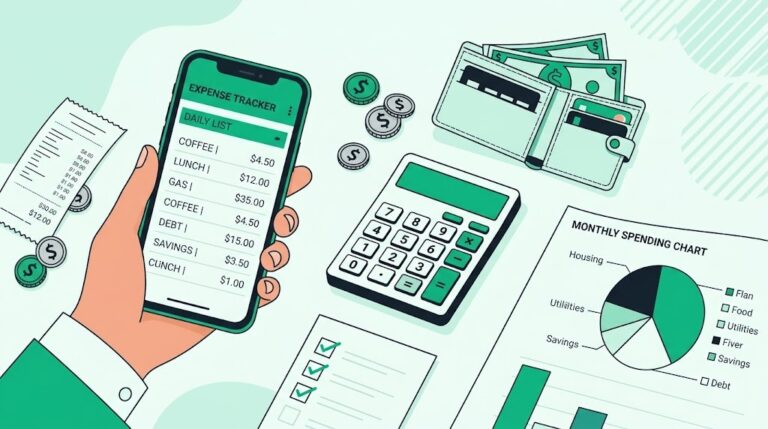
Step 2: Track Your Spending Before Making Rules
A budget based on guesses usually fails. Before setting spending limits, review your recent expenses.
Look at your bank statements, wallet transactions, card payments, online orders, subscriptions, and cash withdrawals from the last 30 days.
Group each expense into a category. You can use categories such as:
Housing
Utilities
Groceries
Transport
Healthcare
Debt payments
Insurance
Education
Family support
Entertainment
Eating out
Shopping
Savings
Personal care
Do not judge yourself while tracking. The purpose is to understand your current habits, not to label every purchase as good or bad.
You might discover that small payments are taking more money than expected. A few food deliveries, app subscriptions, or quick online purchases can quietly become a large monthly expense.
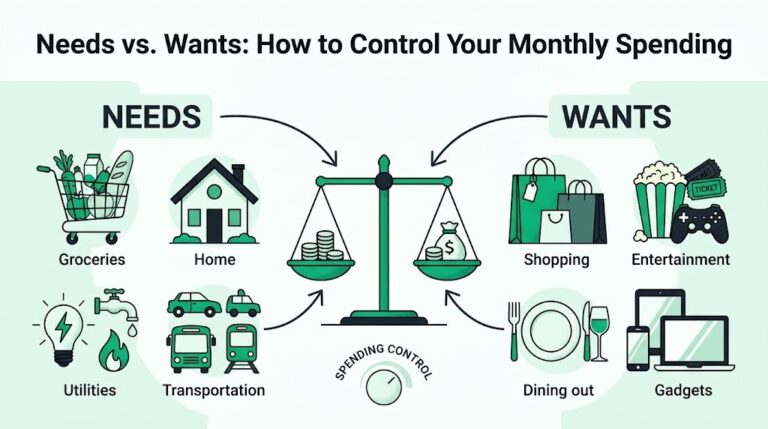
Step 3: Separate Needs, Wants, and Goals
One of the easiest ways to build a monthly budget is to divide your expenses into three groups.
Needs
Needs are expenses required for basic living or important responsibilities.
Examples include:
Rent or home loan payments
Electricity and water
Groceries
Basic transport
Medicines
Insurance
Minimum debt payments
School or education costs
Wants
Wants make life more comfortable or enjoyable, but you can usually reduce or delay them if necessary.
Examples include:
Restaurant meals
New clothes
Entertainment
Shopping
Premium subscriptions
Hobbies
Weekend trips
Frequent takeaway coffee
Goals
Goals are payments that improve your future financial position.
Examples include:
Emergency savings
Retirement savings
Debt payments above the minimum
A home deposit
Education savings
A planned trip
A business fund
A vehicle replacement fund
This system makes your spending easier to understand. You can still spend on wants, but you will know whether they are affecting your needs or goals.
Step 4: List Your Fixed Monthly Expenses
Fixed expenses are payments that stay mostly the same each month.
Write down the amount and due date for each one.
Common fixed expenses include:
Rent
Loan payments
School fees
Insurance premiums
Internet
Mobile plans
Streaming services
Gym membership
Regular family support
Subscription services
If you have several subscriptions, check whether you still use all of them. Canceling one or two unused services can create extra room without changing your daily routine.
You may also want to set reminders a few days before each due date. This can help you avoid late fees and missed payments.
Step 5: Estimate Variable Expenses
Variable expenses change from month to month. They often require more attention because they can grow without you noticing.
Typical variable expenses include:
Groceries
Fuel
Electricity
Eating out
Medical costs
Shopping
Transportation
Entertainment
Household items
Use your recent spending as a starting point. If you spent ₹8,000 on groceries last month, do not suddenly create a ₹4,000 grocery limit unless you have a realistic plan to change your shopping habits.
A better approach is to reduce the amount gradually. You might set a limit of ₹7,000, plan meals, compare prices, and avoid shopping while hungry.
Step 6: Add Irregular Expenses to Your Monthly Budget
Irregular expenses are one of the main reasons budgets fail. These are costs that do not appear every month but still need to be paid.
Examples include:
Annual insurance payments
School admission fees
Festival shopping
Birthday gifts
Vehicle servicing
Home repairs
Medical checkups
Tax payments
Travel
Technology replacement
Professional fees
The solution is to create sinking funds. A sinking fund is a small amount saved regularly for a future expense.
For example, if your vehicle service costs around ₹12,000 once a year, save ₹1,000 each month. When the service is due, the money is already available.
You can create separate sinking funds for:
Medical needs
Travel
Gifts
Home maintenance
Education
Vehicle expenses
Annual bills
Even a small monthly contribution can prevent a large financial shock later.
Step 7: Choose a Budgeting Method
There is no single budgeting method that works for everyone. Choose the simplest option that matches your income and habits.
The 50/30/20 Budget Rule
The 50/30/20 rule divides your income into:
50% for needs
30% for wants
20% for savings and debt repayment
This can be a helpful starting point, but it is not a strict law. Housing costs, family responsibilities, debt, and income levels differ from person to person.
If your needs already use 70% of your income, you can start with a different split, such as:
70% needs
15% wants
15% savings and debt repayment
The goal is to create a plan you can maintain.
Zero-Based Budgeting
A zero-based budget assigns every rupee a purpose. Your income minus planned expenses, savings, and debt payments should equal zero.
This does not mean you spend every rupee. Savings and emergency funds are also assigned jobs.
For example, if your income is ₹40,000, you could plan:
Needs: ₹22,000
Savings: ₹6,000
Debt repayment: ₹4,000
Wants: ₹5,000
Irregular expenses: ₹3,000
Total planned amount: ₹40,000.
This method works well if you want detailed control over your money.
The Pay-Yourself-First Method
With this method, you save as soon as you receive your income. The remaining amount is used for bills and daily spending.
For example, you may automatically transfer ₹5,000 to savings on payday. This helps remove the temptation to spend the money first.
Paying yourself first is especially useful if saving is one of your top priorities.
The Cash Envelope Method
The cash envelope method uses separate amounts for categories such as groceries, transport, eating out, and entertainment.
You can use physical cash or separate digital accounts. Once the amount in a category is used, you either stop spending in that category or move money from another category.
This method is helpful if you often overspend in a particular area.
Step 8: Plan Your Savings Before the Month Starts
Savings should not be treated as money that may remain after spending. If you wait until the end of the month, there may be nothing left.
Add savings to your budget from the beginning.
Start with one or two clear goals, such as:
Building an emergency fund
Paying off a credit card
Saving for education
Planning a holiday
Replacing a vehicle
Creating retirement savings
Make the amount realistic. Saving ₹1,000 every month is better than planning to save ₹10,000 and repeatedly failing.
If possible, automate the transfer. An automatic payment can move money to a separate savings account on payday, before you have a chance to spend it.
Step 9: Build an Emergency Fund
An emergency fund protects your budget when life does not go according to plan.
Start with a small target, such as ₹10,000 or one week of essential expenses. Once you reach that amount, work toward one month of essential costs.
Over time, many people aim for three to six months of essential expenses. Your target may be different depending on your job stability, health needs, dependents, and income.
Use your emergency fund only for genuine emergencies, such as:
Sudden medical treatment
Job loss
Necessary home repairs
Urgent vehicle repairs
Essential travel because of a family situation
A sale, restaurant visit, or planned shopping trip is not an emergency. Keeping this money separate can help you avoid using it for everyday spending.
Step 10: Create a Weekly Spending Limit
Monthly budgets can feel too general. A weekly spending limit makes your plan easier to follow.
Suppose you have ₹12,000 for groceries, transport, and personal spending after paying bills and savings. You could divide that amount into weekly limits.
A weekly limit gives you an early warning. If you spend too much during the first week, you have time to adjust before the month ends.
Do not divide every category equally if your expenses are not equal. You may spend more on groceries during one week and more on transport during another.
The goal is to stay aware, not to create unnecessary restrictions.
Step 11: Make Room for Fun
A budget that allows no enjoyment is difficult to maintain. You may follow it for a few days and then spend too much because you feel restricted.
Include a realistic amount for fun and personal spending.
This money can be used for:
Eating out
Movies
Hobbies
Small shopping
Coffee
Social events
Personal care
You do not need to justify every small enjoyable purchase if it fits within your planned amount.
If your budget is tight, even ₹500 or ₹1,000 can provide some flexibility. The amount matters less than having a clear limit.
Step 12: Use Separate Accounts for Different Purposes
You do not need multiple bank accounts, but separating money can make budgeting easier.
You could use:
One account for bills
One account for everyday spending
One account for savings
One account for business or freelance income
When your bill money is separate from your spending money, you are less likely to use it by mistake.
If you prefer one account, create digital labels or maintain a simple note showing how much is reserved for each category.
Step 13: Review Your Budget Once a Week
A budget should be checked regularly. You do not need to spend an hour reviewing every transaction.
Set aside 10 to 15 minutes once a week and ask:
What have I spent so far?
Which categories are close to their limits?
Did an unexpected expense appear?
Do I need to reduce spending somewhere else?
Am I still on track with savings?
A weekly review helps you correct small problems before they become large ones.
For example, if you spend more than planned on dining out, you can cook a few extra meals at home during the following week. You do not need to abandon the entire budget.
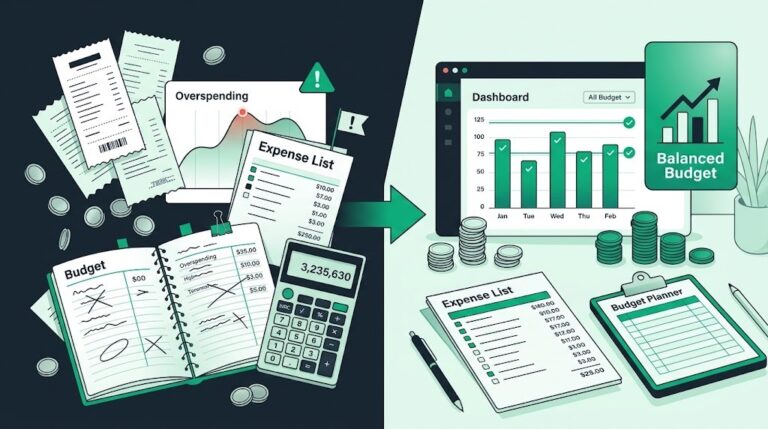
Step 14: Adjust Your Budget Without Feeling Like You Failed
Your first budget may not work perfectly. That is normal.
You may underestimate groceries, forget annual costs, or set a transport limit that does not match your routine. These are useful lessons.
When something goes wrong, ask:
Was the expense unexpected?
Did I forget to include it?
Was the limit unrealistic?
Can I reduce another category?
Should I create a sinking fund for this expense?
A budget is a working plan, not a permanent contract. Update it when your income, rent, family needs, or financial goals change.
A Simple Monthly Budget Example
Imagine your monthly take-home income is ₹50,000.
Your plan could look like this:
Essential Expenses
Rent: ₹15,000
Groceries: ₹6,000
Utilities: ₹3,000
Transport: ₹3,000
Phone and internet: ₹1,500
Medicine and healthcare: ₹1,500
Total essential expenses: ₹30,000
Financial Goals
Emergency fund: ₹4,000
Long-term savings: ₹3,000
Extra debt payment: ₹2,000
Total financial goals: ₹9,000
Flexible Spending
Eating out: ₹2,500
Entertainment: ₹1,500
Personal care: ₹1,500
Shopping: ₹1,500
Total flexible spending: ₹7,000
Irregular Expenses
Gifts, repairs, and annual bills fund: ₹4,000
Total planned amount: ₹50,000
This budget gives every rupee a purpose while still leaving room for personal spending.
Your numbers may look completely different. That is fine. The best budget is based on your real income, responsibilities, and priorities.
Common Monthly Budgeting Mistakes to Avoid
Creating a Budget Based on Perfect Behavior
If you usually spend ₹6,000 on food, setting a ₹1,000 limit may not be realistic. Make gradual changes instead of building a plan that depends on extreme discipline.
Forgetting Cash Spending
Small cash purchases can add up quickly. Record them in your phone immediately or keep a small note in your wallet.
Ignoring Annual Expenses
Annual bills still affect your monthly finances. Divide the expected yearly cost by 12 and save that amount each month.
Treating Savings as an Afterthought
Savings need a place in your budget before spending begins. Automate the amount whenever possible.
Using Credit to Hide Overspending
A credit card can make your budget appear balanced when it is not. Include credit card payments and purchases in your monthly plan.
Having Too Many Categories
A budget with 30 categories may become difficult to maintain. Start with broad categories and add detail only where you regularly overspend.
Giving Up After One Bad Month
One difficult month does not erase your progress. Review what happened, adjust the plan, and start again.
How to Make Budgeting Easier
You can make your monthly budget more practical with a few simple habits.
Automate Regular Payments
Set up automatic payments for rent, bills, savings, and loan payments when possible. Check your account balance first to avoid failed payments.
Plan Meals Before Grocery Shopping
Write a basic meal plan for the week and shop with a list. This can reduce impulse purchases and food waste.
Wait Before Buying Non-Essential Items
For larger purchases, use a 24-hour or seven-day waiting rule. The waiting period helps you decide whether you actually need the item.
Check Subscriptions Every Few Months
Review your subscriptions and cancel anything you no longer use. Small monthly payments can become a meaningful annual cost.
Use Windfalls Carefully
If you receive a bonus, gift, refund, or extra income, divide it before spending it.
You could use a simple split:
Part for savings
Part for debt
Part for a planned expense
Part for enjoyment
This gives you a benefit today without losing the full value of the extra money.
Frequently Asked Questions
How much money should I save each month?
There is no single amount that works for everyone. Start with a realistic amount you can save consistently, even if it is only 5% of your income.
As your income grows or expenses decrease, increase the amount gradually. Consistency matters more than choosing a perfect percentage.
What is the easiest budgeting method for beginners?
A simple category-based budget is often easiest. List your income, fixed bills, variable expenses, savings, debt payments, and personal spending.
You can later try the 50/30/20 rule or zero-based budgeting if you need more structure.
Should I budget before or after receiving my salary?
Create a plan before receiving your salary, then update it once the money arrives. Planning early helps you decide where the money should go instead of spending first and calculating later.
Use your actual take-home income when making the final budget.
What should I do if my expenses are higher than my income?
First, separate essential expenses from optional spending. Look for expenses you can reduce, pause, renegotiate, or remove.
If the problem continues, focus on increasing income through additional work, selling unused items, or finding a more sustainable source of earnings. Avoid using new debt to cover a recurring shortfall unless you have a clear repayment plan.
How can I budget with an irregular income?
Use your lowest expected monthly income as the foundation. Cover essential bills first, then assign extra income to savings, debt, and future expenses.
Keep a separate buffer for months when your income is lower than usual.
Should I include debt payments in my monthly budget?
Yes. Include minimum payments as essential expenses. If you are paying extra toward debt, list that amount as a financial goal.
Always budget for the full payment date and avoid planning to pay debt only when money is left over.
How much should I keep for entertainment?
Choose an amount that fits your income and goals. It may be 5% of your income, a fixed amount, or whatever remains after essential expenses and savings.
The important thing is to set a limit before spending, not after the money is gone.
Is it better to use cash or a budgeting app?
Use the method you will actually maintain. Cash can be helpful if you often overspend in certain categories, while an app can make tracking easier.
A simple spreadsheet or phone note works just as well if it helps you see your income, spending, and savings clearly.
What if I make a mistake in my budget?
Update the budget and continue. A mistake is information that helps you create a better plan next month.
Do not wait for a new year or a new salary cycle. You can adjust your budget as soon as you notice the problem.
How long does it take to create a monthly budget?
A basic budget can take 20 to 30 minutes if you already know your income and regular expenses. A more detailed budget may take longer while you review statements and identify irregular costs.
After the first month, the process usually becomes faster because your categories and spending limits are already in place.