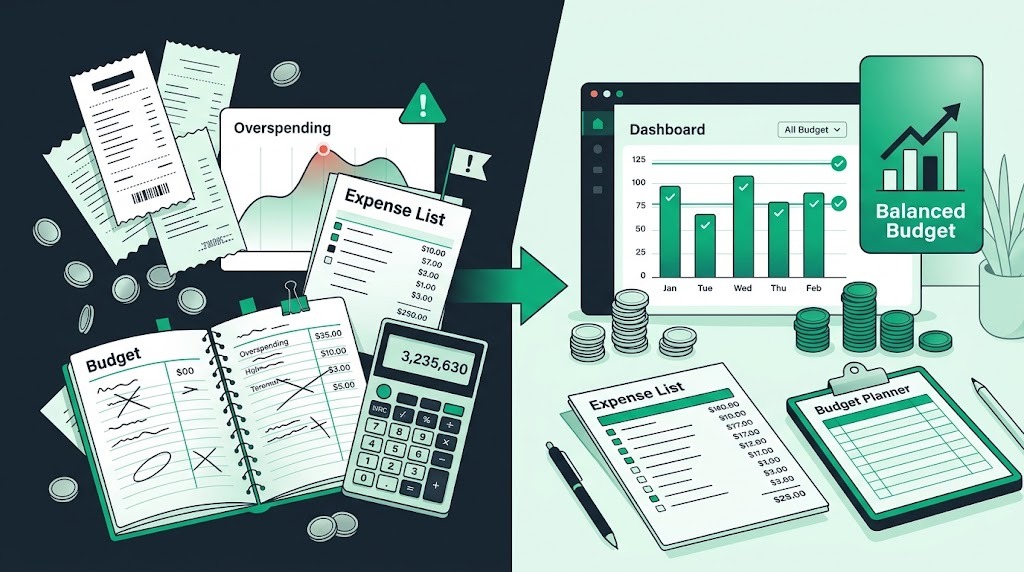
10 Common Money Mistakes That Can Hurt Your Budget
Even a good income can disappear quickly when small money mistakes happen repeatedly. Forgotten subscriptions, impulse purchases, late fees, and unclear spending limits can quietly damage your budget month after month.
The good news is that most money mistakes can be corrected. Once you know what is affecting your finances, you can make simple changes that protect your income and help you save more.
Key Takeaways
Spending without a budget can leave you short before payday.
Small purchases can become a large monthly expense.
Ignoring irregular bills can create avoidable financial stress.
Late payments may add fees and interest to your expenses.
Credit cards should not be treated as extra income.
Saving only what remains at the end of the month often leads to little progress.
A lack of emergency savings can turn a small problem into major debt.
Lifestyle upgrades can become difficult to maintain when income changes.
Tracking your spending helps you find patterns and make better choices.
You can correct most money mistakes by creating a simple, consistent system.
Mistake 1: Spending Without a Monthly Budget
One of the most common money mistakes is spending without deciding where your income should go.
When there is no plan, you may pay bills, make purchases, order food, and use digital payment services without knowing how much money remains for the rest of the month.
A budget gives your income a job before you spend it.
How This Mistake Hurts Your Budget
Without a budget, you may:
Run out of money before payday
Forget an upcoming bill
Spend savings on daily expenses
Use credit for groceries or transport
Delay debt payments
Miss opportunities to save
You do not need a complicated spreadsheet. A basic budget can include:
Monthly income
Essential expenses
Debt payments
Savings
Personal spending
Irregular expenses
How to Fix It
Create a simple monthly plan before spending your income.
For example, if your monthly income is ₹50,000, you could assign:
Essential expenses: ₹30,000
Savings: ₹5,000
Debt repayment: ₹5,000
Personal spending: ₹5,000
Irregular expenses: ₹5,000
Your numbers may be different. The key is knowing what you can afford before making purchases.
Mistake 2: Ignoring Small Daily Purchases
A snack, coffee, delivery fee, or small online order may not seem important. However, repeated small purchases can add up to a large amount over a month.
Spending ₹150 five times a week equals around ₹3,000 per month. If several categories have similar habits, the total can become much higher.
How This Mistake Hurts Your Budget
Small purchases can:
Reduce your savings
Increase credit card balances
Leave less money for groceries
Create a false feeling that you are spending carefully
Make it difficult to understand where your money went
The problem is not one small purchase. The problem is repeated spending without awareness.
How to Fix It
Track every expense for 30 days. Include cash, mobile payments, card purchases, and online transactions.
At the end of each week, add up small purchases by category:
Snacks
Drinks
Food delivery
Taxi fees
Shopping
Convenience purchases
Choose one category to reduce instead of trying to remove everything.
Mistake 3: Saving Only What Is Left
Many people plan to save whatever remains after paying bills and spending money. This method often results in little or no savings.
If saving is not included in your budget at the beginning of the month, it may not happen.
How This Mistake Hurts Your Budget
Saving last can make it difficult to:
Build an emergency fund
Reach a future goal
Pay for large purchases without debt
Prepare for annual bills
Feel financially secure
How to Fix It
Pay yourself first by transferring money to savings when your income arrives.
You can begin with:
₹500 per month
₹1,000 per month
5% of your income
A fixed amount linked to a specific goal
Automate the transfer if possible. Choose an amount that fits your budget so you do not need to take it back later.
Mistake 4: Forgetting Irregular Expenses
Some expenses do not happen every month, but they still affect your yearly budget.
Common examples include:
Insurance payments
Vehicle maintenance
School fees
Medical checkups
Festival shopping
Gifts
Home repairs
Travel
Professional fees
When these costs appear unexpectedly, you may need to use a credit card or borrow money.
How This Mistake Hurts Your Budget
Ignoring irregular expenses can cause:
Sudden large bills
Missed payments
New debt
Reduced savings
Stress during important events
Repeated budget problems
How to Fix It
Estimate the yearly cost and divide it by 12.
If your vehicle costs around ₹24,000 per year for insurance and maintenance, save ₹2,000 every month in a separate fund.
This is often called a sinking fund. It helps you prepare for planned expenses before they arrive.
Mistake 5: Paying Bills Late
Late payments can create unnecessary fees and interest. Some late payments may also affect your credit history or interrupt important services.
Common bills that require attention include:
Rent
Utilities
Loans
Credit cards
Insurance
Internet
Mobile plans
School fees
How This Mistake Hurts Your Budget
Late payments may lead to:
Penalties
Interest charges
Reconnection fees
Service interruptions
Extra stress
More difficult debt repayment
A small missed payment can become more expensive if it remains unpaid.
How to Fix It
Create a bill calendar with:
Name of the bill
Amount due
Due date
Payment method
Confirmation status
Set reminders several days before each due date. If you use automatic payments, make sure enough money is available in the account.
Paying bills on time is one of the easiest ways to protect your budget.
Mistake 6: Treating Credit Cards as Extra Income
A credit card can make it easy to buy something immediately, but the money still has to be repaid.
When you treat your credit limit as available income, you may spend more than your monthly budget can support.
How This Mistake Hurts Your Budget
Credit card overspending can result in:
High interest
Growing balances
Minimum payments that last for months
Less money available for savings
Difficulty paying essential bills
Stress when the statement arrives
A purchase that seems affordable today may become much more expensive if you carry the balance.
How to Fix It
Use your credit card only for purchases already included in your budget.
Helpful habits include:
Check your budget before using the card.
Keep spending within money you already have.
Pay the full balance when possible.
Avoid cash advances.
Do not use one card to pay another.
Review transactions every week.
Set a lower personal spending limit than your actual credit limit.
If you already have a balance, stop adding unnecessary purchases and create a repayment plan.
Mistake 7: Not Having an Emergency Fund
Unexpected expenses are part of life. Without emergency savings, even a small problem can affect your entire budget.
A medical bill, urgent repair, or temporary income loss may force you to borrow money.
How This Mistake Hurts Your Budget
Without an emergency fund, you may:
Use expensive credit
Delay essential treatment
Miss bill payments
Borrow from family
Sell important items
Pause other financial goals
Depend on loans for basic needs
How to Fix It
Start with a small goal such as:
₹5,000
₹10,000
One week of essential expenses
Once you reach that amount, work toward one month of essential costs. Over time, many people aim for three to six months of essential expenses.
Keep the money in a safe, separate, and accessible account.
Use it for genuine emergencies, not planned shopping, regular dining, or entertainment.
Mistake 8: Increasing Your Lifestyle Whenever Your Income Rises
When your income increases, it is natural to improve your lifestyle. The problem begins when every increase becomes a new permanent expense.
A larger home, expensive car, premium subscriptions, and frequent dining out can quickly use the extra income.
How This Mistake Hurts Your Budget
Lifestyle inflation can:
Keep you living from payday to payday
Reduce your savings rate
Increase fixed monthly expenses
Make it difficult to manage a future income drop
Create pressure to maintain expensive habits
Delay important financial goals
How to Fix It
When your income increases, divide the extra money before spending it.
For example, if your income increases by ₹10,000 per month:
₹5,000 toward savings
₹3,000 toward lifestyle improvements
₹2,000 toward debt repayment
This approach lets you enjoy some improvement while also strengthening your financial position.
Mistake 9: Shopping Because Something Is on Sale
A discount can make an unnecessary purchase feel like a smart financial decision.
However, if you did not need the item, spending money on it is still spending money.
How This Mistake Hurts Your Budget
Sale shopping can lead to:
Unplanned purchases
Credit card balances
Duplicate items
Clutter
Less money for important goals
Spending more than the original plan
A lower price does not automatically mean better value.
How to Fix It
Before buying a sale item, ask:
Would I buy this at the regular price?
Do I need it now?
Do I already own something similar?
Is the discount genuine?
Can I afford it without using debt?
Will I use it enough to justify the cost?
Use a wishlist and wait 24 hours before making non-essential purchases.
For expensive items, wait a week.
Mistake 10: Failing to Track Spending and Review Progress
Creating a budget once is not enough. Your spending habits, income, and responsibilities may change every month.
If you never review your finances, you may continue paying for services you no longer use or repeat the same spending mistakes.
How This Mistake Hurts Your Budget
Without regular reviews, you may:
Miss unusual charges
Forget subscriptions
Underestimate food costs
Ignore growing debt
Save less than planned
Fail to update outdated categories
Lose track of progress
How to Fix It
Set aside 10 to 15 minutes each week to review your expenses.
Ask:
How much did I spend?
Which category used the most money?
Did I stay within my limits?
Are any bills due soon?
Did I save the planned amount?
Do I need to adjust next week’s spending?
At the end of each month, compare your planned budget with your actual spending.
Other Money Mistakes Worth Avoiding
The ten mistakes above are common, but a few other habits can also affect your budget.
Ignoring Insurance
Trying to save money by removing necessary coverage can create a large financial problem later. Review your insurance carefully and make sure it suits your actual needs.
Borrowing for Non-Essential Purchases
Using loans or credit for a holiday, gadget, or shopping trip can create months of payments. Save first when possible.
Keeping All Money in One Account
When bill money, savings, and spending money are mixed together, it is easy to use funds for the wrong purpose. Separate accounts or digital categories can help.
Depending on One Income Source
If possible, build skills, savings, or additional income options that give you more flexibility during difficult periods.
Avoiding Financial Conversations
If you share expenses with a partner or family member, discuss income, bills, debt, and goals regularly. Unclear expectations can lead to overspending and conflict.
How to Repair a Budget That Has Been Damaged
If your budget is already under pressure, do not try to fix everything in one day.
Step One: Stop New Unnecessary Debt
Pause non-essential credit purchases while you review your finances.
Step Two: List Your Current Obligations
Write down bills, loan payments, card balances, and upcoming expenses.
Step Three: Protect Essential Needs
Pay for housing, food, utilities, healthcare, transport, and minimum debt payments first.
Step Four: Cut Low-Value Spending
Review subscriptions, delivery costs, shopping, entertainment, and convenience expenses.
Step Five: Choose One Financial Priority
Focus on a small emergency fund or high-interest debt instead of trying to fund every goal at once.
Step Six: Create a Weekly Plan
Use weekly spending limits so you can control expenses before the next payday.
Step Seven: Review Every Month
Track what improved and what still needs attention.
A Simple Monthly Budget Check
Use these questions at the beginning of every month:
What income will I receive?
Which bills are due?
What irregular expenses are coming?
How much will I save?
Which debts need payment?
What is my wants budget?
Are any subscriptions no longer useful?
Do I have enough for groceries and transport?
What is my main financial goal this month?
Use the answers to create a realistic plan.
A Simple Money Mistake Prevention Checklist
Before the month begins:
Write down your income.
List fixed bills.
Set a savings transfer.
Plan for irregular costs.
Set weekly spending limits.
Review debt payments.
During the month:
Track every expense.
Check your balance regularly.
Avoid unnecessary credit purchases.
Review your flexible categories.
Adjust early if you overspend.
At the end of the month:
Compare planned and actual spending.
Check your savings progress.
Review subscriptions.
Identify one mistake to avoid next month.
Update your budget.
How to Build Better Money Habits
Avoiding money mistakes is easier when you create systems instead of depending only on willpower.
Useful systems include:
Automatic savings transfers
Bill reminders
Separate accounts
Weekly expense reviews
Shopping waiting periods
Grocery lists
Spending limits
Debt repayment schedules
Savings trackers
A system reduces the number of decisions you need to make. You do not have to remember everything when your accounts, calendar, and budget support your goals.
Frequently Asked Questions
What is the biggest money mistake beginners make?
Spending without tracking or budgeting is one of the most common mistakes. Without a clear plan, it is easy to use money needed for bills, savings, or future expenses.
Start by tracking your spending for 30 days.
How can I fix my budget after overspending?
Stop unnecessary spending, list your remaining bills, and identify the category that caused the problem. Reduce flexible spending for the rest of the month and adjust your budget for the next month.
Do not use new high-cost debt to hide the problem if you can avoid it.
Should I stop using credit cards?
Not necessarily. Use credit cards only when purchases fit your budget and you can repay them on time.
If you are carrying expensive balances or regularly overspending, consider using cash or a debit card for problem categories.
How much should I keep in an emergency fund?
Start with ₹5,000 or ₹10,000, then work toward one month of essential expenses. Over time, three to six months of essential costs may provide more protection.
Your target depends on your income stability and responsibilities.
Are small expenses really damaging my budget?
They can be when repeated often. Add up small expenses such as snacks, drinks, delivery fees, and convenience purchases at the end of the month.
You may find that a few categories are costing more than expected.
What should I pay first when money is limited?
Prioritize housing, basic food, utilities, healthcare, necessary transport, and minimum debt payments.
After essential expenses, focus on a small emergency buffer and high-interest debt.
How can I avoid impulse shopping?
Use a waiting rule, remove shopping notifications, unsubscribe from promotional emails, and keep a list of planned purchases.
Waiting 24 hours can help you decide whether you actually want the item.
Should I save or pay off debt first?
Continue making minimum debt payments and create a small emergency fund. Then focus extra money on high-interest debt while maintaining regular savings when possible.
Your plan may change based on interest rates and your income stability.
How often should I review my budget?
Check your expenses once a week and review your full budget once a month.
Update your plan sooner if your income, rent, family responsibilities, or major expenses change.
Can one bad month ruin my financial progress?
No. One difficult month does not erase your progress. Review what happened, adjust your plan, and restart with a realistic target.
The goal is not perfection. The goal is building money habits that improve over time.