How to Track Your Daily Expenses and Save More Money
Small purchases can quietly take a large part of your monthly income. A quick snack, a delivery fee, a taxi ride, or an online order may not seem important on its own, but repeated spending can leave you wondering where your money went.
Tracking your daily expenses helps you see the full picture. Once you know how you spend, you can reduce waste, protect your savings, and make better choices without giving up everything you enjoy.
Key Takeaways
Record every purchase, including small cash expenses.
Track spending as soon as possible so you do not forget it.
Use simple categories such as food, transport, bills, shopping, and entertainment.
Review your expenses every week instead of waiting until the month ends.
Focus on spending patterns rather than blaming yourself.
Set limits for categories where you regularly overspend.
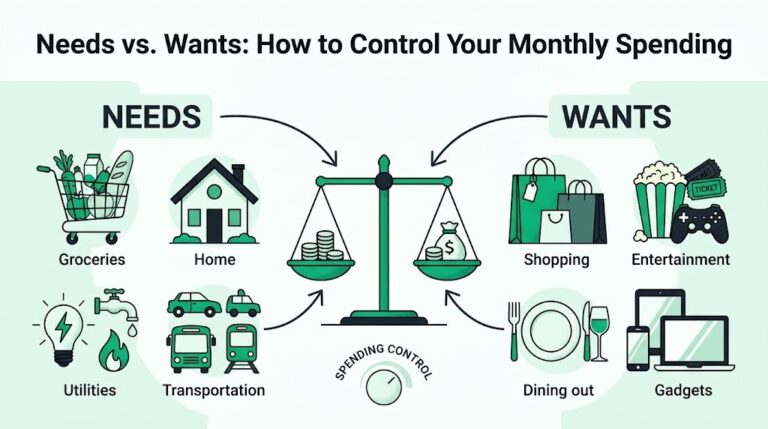
Separate essential expenses from optional purchases.
Use automatic savings so money is set aside before you spend it.
Reduce unnecessary fees, subscriptions, delivery charges, and impulse purchases.
Give the money you save a clear purpose, such as an emergency fund or debt repayment.
Why Should You Track Daily Expenses?
A monthly bank balance only tells you how much money remains. It does not explain where your money went.
Daily expense tracking gives you details. You can see whether your money is going toward important needs or disappearing through small, repeated purchases.
Tracking can help you:
Find unnecessary spending
Avoid running out of money before payday
Reduce impulse purchases
Plan your monthly budget
Identify expensive habits
Save for specific goals
Pay debt more consistently
Prepare for irregular expenses
Feel more confident about financial decisions
You do not need to track expenses forever with extreme detail. Even 30 days of careful tracking can reveal patterns that are difficult to notice otherwise.
What Counts as a Daily Expense?
A daily expense is any money you spend during the day, whether you pay with cash, a card, mobile wallet, bank transfer, or online payment.
Examples include:
Breakfast or snacks
Coffee and drinks
Groceries
Food delivery
Public transport
Fuel
Taxi or ride-hailing services
Parking
Medicine
Personal care
Online shopping
Entertainment
Mobile top-ups
Small household items
Fees and charges
Do not ignore small purchases. A ₹100 expense may not affect your budget much, but spending ₹100 several times a week can add up to thousands of rupees over a year.
Step 1: Choose One Expense Tracking Method
The best tracking method is the one you will actually use. You do not need a complicated app if a notebook works better for you.
Use a Notebook
Write down the date, item, amount, and category.
Example:
| Date | Expense | Category | Amount |
|---|---|---|---|
| 20 September | Tea and snack | Food | ₹120 |
| 20 September | Bus fare | Transport | ₹80 |
| 20 September | Mobile top-up | Bills | ₹300 |
A notebook is simple, private, and easy to use without an internet connection.
Use a Phone Note
Create a note with one line for each transaction.
For example:
20 September — Lunch — Food — ₹350
20 September — Fuel — Transport — ₹1,000
20 September — Online order — Shopping — ₹800
This method is useful because your phone is usually with you when you spend.
Use a Spreadsheet
A spreadsheet is helpful if you want totals and monthly comparisons. You can create columns for:
Date
Description
Category
Payment method
Amount
Need or want
Notes
At the end of the week, add the amounts in each category.
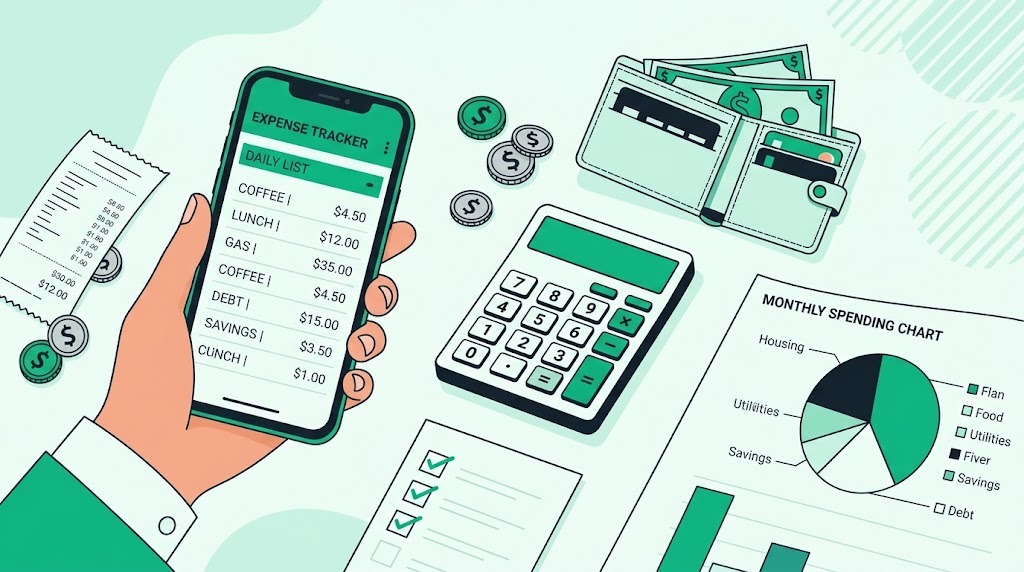
Use a Budgeting App
An expense tracking app can organize transactions and show charts. Some apps may connect to your bank accounts, while others require manual entries.
Review privacy settings before connecting financial accounts. If you prefer more control, use an app where you enter expenses yourself.
Step 2: Record Expenses Immediately
The longer you wait, the more likely you are to forget something.
Record the expense at the point of payment or as soon as you return home. It takes only a few seconds.
If you buy several items at once, record the total and add a note if the purchase includes different categories. For example, separate groceries from household products when you review the transaction later.
Step 3: Track Cash Spending Carefully
Cash expenses are easy to forget because they may not appear in a bank statement.
Keep a small note on your phone or use a simple paper list. Write down the amount immediately after spending.
If you withdraw ₹5,000 from an ATM, do not record the full amount as one expense unless you use it all at once. Track each purchase as you make it.
This gives you a more accurate picture of where the cash went.
Step 4: Create Simple Spending Categories
Categories help you understand your habits. Start with a small number of broad groups.
Useful categories include:
Housing
Groceries
Eating out
Transport
Utilities
Healthcare
Debt payments
Shopping
Entertainment
Personal care
Family support
Savings
Other
Do not create too many categories at the beginning. If every expense requires a long decision, you may stop tracking.
You can add more detail later in categories where you regularly overspend.
Step 5: Mark Each Expense as a Need or Want
Add one more label to each purchase:
Need
Want
Goal
A need supports basic living, health, safety, work, or important responsibilities.
A want provides comfort, convenience, or enjoyment but can usually be delayed.
A goal is money directed toward savings, debt repayment, education, travel, or another future purpose.
For example:
Rent: Need
Groceries: Need
Food delivery: Want
Emergency fund transfer: Goal
New headphones: Want
Loan payment: Need or Goal, depending on the payment
This simple label helps you see whether your spending matches your priorities.
Step 6: Track Payment Methods Separately
Record whether you paid with:
Cash
Debit card
Credit card
Bank transfer
Mobile wallet
Buy-now-pay-later service
Different payment methods can make spending feel less visible. Credit cards and digital wallets may delay the feeling of payment, which can make it easier to overspend.
Including the payment method helps you see whether one method is linked to higher spending.
Step 7: Review the First Seven Days
After one week, review your entries.
Ask:
What was my total spending?
Which category cost the most?
Which purchases were planned?
Which purchases were unexpected?
How much went toward wants?
Did I forget any cash expenses?
Did I spend more on certain days?
Do not try to change everything at once. Choose one category or habit to improve during the next week.
Step 8: Look for Spending Patterns
A single purchase may not mean much. Repeated behavior matters more.
You may discover that you:
Spend more on weekends
Order food after work
Shop when you feel stressed
Spend more after payday
Use taxis when you leave home late
Buy snacks while commuting
Make small online purchases at night
Spend more when socializing with certain groups
Once you see the pattern, create a practical solution.
If you order food after work because you are too tired to cook, prepare two quick meals in advance. If you take taxis because you leave late, prepare your items the night before.
The best savings plan solves the reason behind the spending.
Step 9: Add Up Small Purchases
Small expenses can be difficult to notice individually. Add them together at the end of the week.
For example:
Snacks: ₹700
Drinks: ₹500
Delivery fees: ₹450
Convenience purchases: ₹350
Total: ₹2,000 per week.
If the same pattern continues, that could become around ₹8,000 per month. You may not need to remove every expense, but the total gives you a chance to make a clear decision.
Step 10: Set a Daily Spending Limit
A daily spending limit can help control flexible expenses. It should not include fixed bills such as rent or loan payments.
For example, if you have ₹12,000 for food, transport, and personal spending after paying your main bills, you could set an average daily limit of ₹400.
This does not mean you must spend exactly ₹400 each day. You may spend ₹200 one day and ₹600 the next.
Use the daily figure as a guide, not a strict rule.
Step 11: Use Weekly Limits Instead of Daily Limits
Some people find weekly limits easier than daily limits.
A weekly budget gives you more flexibility for different schedules. You might spend more on transport during one week and more on groceries during another.
For example, your weekly flexible spending may be:
Groceries: ₹2,000
Transport: ₹800
Eating out: ₹700
Personal spending: ₹500
Total weekly limit: ₹4,000.
Review the amount every Sunday and adjust the next week if needed.
Step 12: Create a Budget Based on Your Actual Spending
Do not create a budget based on what you think you should spend. Use your tracking information.
If your average grocery spending is ₹8,000 per month, setting a ₹3,000 limit may be unrealistic unless you have a clear plan to reduce it.
A better approach is to:
Calculate your current average.
Identify waste.
Choose a smaller but realistic target.
Test it for one month.
Adjust based on the results.
A budget should guide your behavior, not create impossible expectations.
Step 13: Reduce One Category at a Time
Choose the category with the easiest saving opportunity.
For example:
Reduce food delivery by two orders.
Cancel one unused subscription.
Replace several taxi rides with public transport.
Set a shopping limit.
Bring lunch from home twice a week.
If you focus on one area, it is easier to measure your progress and build confidence.
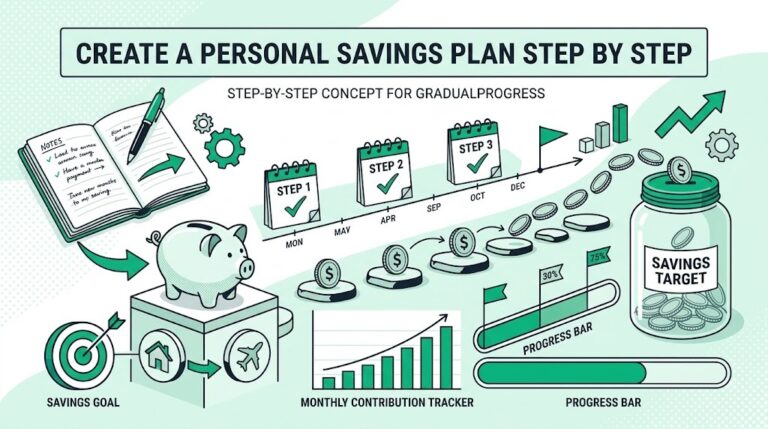
Step 14: Use a Separate Account for Savings
Money saved through expense tracking should not disappear into regular spending. Move it to a separate account or savings space.
If you save ₹1,500 by reducing food delivery, transfer that amount to your emergency fund or another goal.
This creates a connection between spending less and making progress. You can see the result instead of leaving the money in your main account.
Step 15: Automate Your Savings
Set up an automatic transfer on payday. The amount can be small at first.
You could automate:
₹500 per week
₹2,000 per month
5% of your income
A fixed amount toward a specific goal
Saving automatically reduces the need to make the same decision every month.
Make sure the transfer amount fits your budget. An automatic payment that causes you to borrow later is not helpful.
Step 16: Use the 24-Hour Rule
When you want to buy something that is not essential, wait 24 hours.
During that time, ask:
Do I still want it?
Do I already own something similar?
Can I pay for it without using debt?
Is it included in my monthly wants budget?
Will I use it regularly?
For expensive items, wait seven days or longer. A short delay often separates a genuine purchase from an impulse.
Step 17: Remove Shopping Triggers
Make unnecessary spending slightly harder.
You can:
Delete shopping apps
Turn off sale notifications
Unsubscribe from promotional emails
Remove saved card details
Avoid browsing online stores when bored
Stop following accounts that encourage constant buying
Unfollow influencers who create pressure to spend
You can still shop when you need something. The aim is to reduce automatic buying.
Step 18: Plan Food Spending
Food tracking can reveal some of the biggest saving opportunities.
Try these habits:
Plan meals for the week.
Shop with a list.
Keep quick meals at home.
Carry water and snacks.
Use leftovers.
Limit delivery days.
Compare grocery prices.
Freeze food before it spoils.
Avoid shopping while hungry.
You do not need to stop eating out. Add restaurant and delivery spending to a clear monthly category.
Step 19: Review Subscriptions Monthly
Recurring charges can continue for months without being noticed.
At the end of each month, list your subscriptions and ask:
Did I use this service?
Is it important?
Is there a cheaper plan?
Can I pause it?
Is another household member paying for the same service?
Cancel or pause services that no longer provide enough value.
Step 20: Track Fees and Charges
Fees are easy to ignore because they may appear as small amounts.
Track:
ATM charges
Delivery fees
Late fees
Bank charges
Currency conversion fees
Convenience charges
Interest payments
Membership fees
Reducing avoidable fees can save money without changing your lifestyle.
Set reminders for bills and payments so you can avoid late charges.
Step 21: Compare Planned and Actual Spending
At the beginning of the month, create a planned amount for each category.
At the end of the month, compare it with the amount you actually spent.
Example:
| Category | Planned | Actual | Difference |
|---|---|---|---|
| Groceries | ₹7,000 | ₹7,600 | ₹600 over |
| Transport | ₹3,000 | ₹2,500 | ₹500 under |
| Eating out | ₹2,000 | ₹3,200 | ₹1,200 over |
| Entertainment | ₹1,500 | ₹800 | ₹700 under |
This comparison shows where your budget needs adjustment. It also helps you avoid repeating the same mistakes.
Step 22: Set a No-Spend Day
Choose one day each week when you avoid non-essential purchases.
You may still pay for urgent needs, transport, or medical expenses. Avoid optional shopping, food delivery, entertainment purchases, and unnecessary online orders.
Use the day to cook, walk, read, organize your home, visit family, or enjoy free activities.
A no-spend day can improve awareness without requiring a strict lifestyle change every day.
Step 23: Use Cash for Problem Categories
If digital payments make it easy to overspend, use cash for one or two categories.
For example, take a fixed amount for:
Snacks
Eating out
Personal spending
Weekend entertainment
When the cash is gone, stop spending in that category until the next budget period.
This method gives you a clear physical limit.
Step 24: Set a Weekly Money Meeting
Spend 10 to 15 minutes once a week reviewing your expenses.
If you share finances with a partner or family member, discuss:
Bills paid
Upcoming expenses
Current spending
Savings progress
Any unusual costs
Changes needed for next week
Keep the conversation practical and respectful. The purpose is to solve problems, not blame anyone.
Step 25: Give Your Savings a Clear Purpose
“Save more” is a general goal. A specific goal is easier to follow.
You could save for:
Emergency expenses
Education
A vehicle
A home deposit
Travel
Medical costs
Debt repayment
Business needs
Retirement
When you know why you are tracking expenses, reducing a purchase feels less like a sacrifice.
Common Expense Tracking Mistakes
Tracking Only Large Purchases
Large purchases matter, but small daily expenses can create repeated leaks. Record both.
Forgetting Cash
Cash spending is still spending. Write it down immediately.
Using Too Many Categories
A system that takes too long will become difficult to maintain. Start with broad categories.
Recording Expenses but Never Reviewing Them
Tracking only helps when you use the information to make decisions. Review your totals every week.
Judging Yourself for Spending
Guilt does not create a better budget. Look for patterns and practical solutions.
Creating Unrealistic Limits
A budget that ignores your actual life will not last. Make gradual changes.
Treating Credit as Income
Record credit card purchases when you make them, not only when you pay the bill. This shows the true timing of your spending.
A Simple Daily Expense Tracking Template
You can copy this format into a notebook or phone note:
Date:Income received:Expense:Amount:Category:Need, want, or goal:Payment method:Planned or unplanned:Notes:
At the end of each day, add the total. At the end of each week, group expenses by category.
A 30-Day Plan to Track Expenses and Save More
Days 1–7: Track Without Changing
Record every expense honestly. Do not focus on reducing spending yet.
Days 8–14: Find Your Biggest Leaks
Review your first week and identify the categories or habits that cost the most.
Days 15–21: Choose Two Changes
For example, reduce food delivery and set a limit for online shopping.
Days 22–30: Move the Savings
Calculate how much your changes saved. Transfer that amount to a separate savings account.
At the end of the month, review your results and choose the habits you want to continue.
What to Do With the Money You Save
Give the saved money a job. You could use it to:
Build an emergency fund
Pay off high-interest debt
Cover annual bills
Save for education
Prepare for medical costs
Fund a planned purchase
Increase retirement savings
Support a business goal
If you leave the money in your regular account, it may be spent without a clear decision. Moving it to a named goal makes your progress easier to protect.
Frequently Asked Questions
What is the easiest way to track daily expenses?
Use a phone note or small notebook and record each purchase immediately. Write down the date, item, amount, and category.
A simple method that you use consistently is better than a detailed app that you abandon after a few days.
How long should I track my expenses?
Start with 30 days to understand your monthly habits. You can continue tracking in detail or switch to weekly reviews after that.
Track carefully again whenever your income, expenses, or lifestyle changes.
Should I track small expenses?
Yes. Small expenses can become a large total when repeated. Snacks, drinks, delivery fees, and app purchases are especially important to record.
You do not need to judge each purchase. Just include it in your total.
Can expense tracking really help me save money?
Tracking does not create savings by itself, but it shows you where savings are possible. Once you identify unnecessary or low-value spending, you can reduce it and move the money toward a goal.
The results usually become clearer after several weeks.
Should I use an app or a spreadsheet?
Use the option that feels easiest. An app may automate totals, while a spreadsheet provides more control and flexibility.
A notebook is also effective if you review it regularly.
How do I track cash expenses?
Write down the cash purchase immediately or keep a note in your wallet. Record each expense instead of tracking only the amount withdrawn from an ATM.
This gives you a more accurate picture of your spending.
How can I stop spending after payday?
Create a plan before payday, automate savings, and divide your money into bills, goals, and flexible spending.
Avoid treating your full account balance as available spending money.
What should I do if I spend more than planned?
Do not abandon the budget. Review which category caused the overspending and decide whether to reduce another flexible category or adjust next month’s limit.
One difficult week does not ruin your progress.
How much should I save from the money I cut?
Choose a clear amount or percentage. You could transfer all of the savings, or divide it between an emergency fund, debt repayment, and personal goals.
The most important step is moving the money before it disappears into another expense.
Is tracking expenses necessary if I already have a budget?
Yes, at least for a short period. A budget shows what you plan to spend, while expense tracking shows what actually happened.
Comparing both helps you create a more realistic and useful budget.